NEU-Water conducted its second series of co-researcher workshops during April and May 2026. The workshops were facilitated by Ms Lauren Grootboom, a researcher at the University of Cape Town (UCT), in collaboration with a youth group from Langrug, South Africa, who participated as co-researchers.
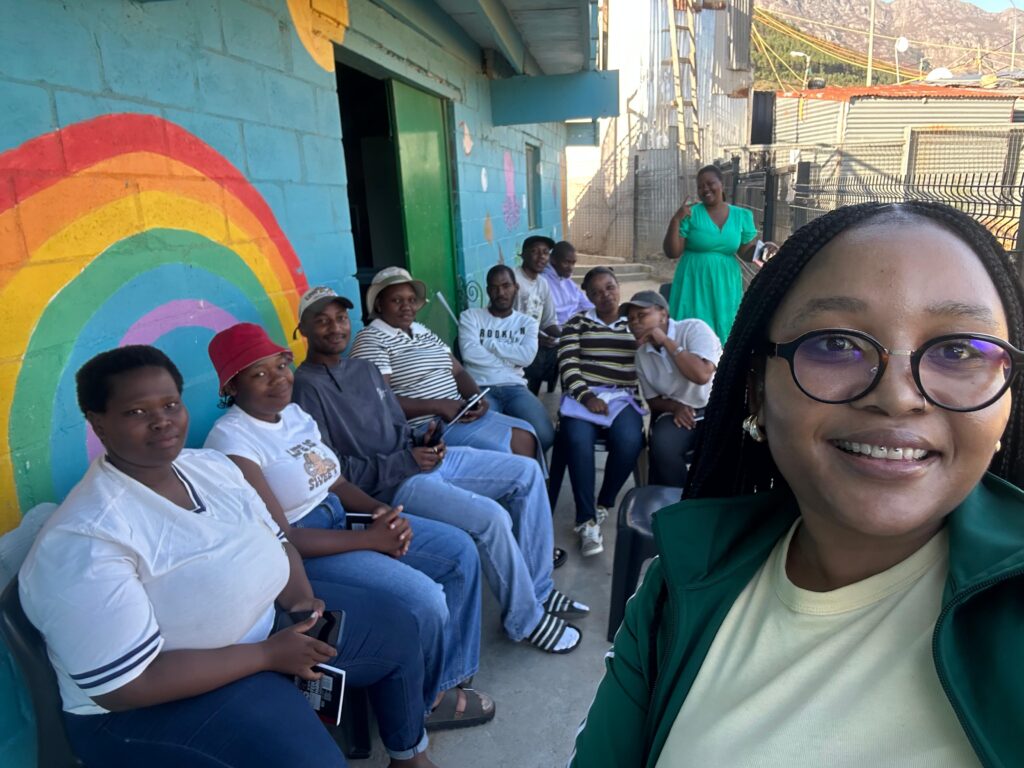
During the workshops, the co-researchers received training on water management and undertook community-based data collection on local water use practices, challenges, and priorities. This participatory approach provides valuable insights into community experiences while strengthening local capacity for water-sensitive planning.
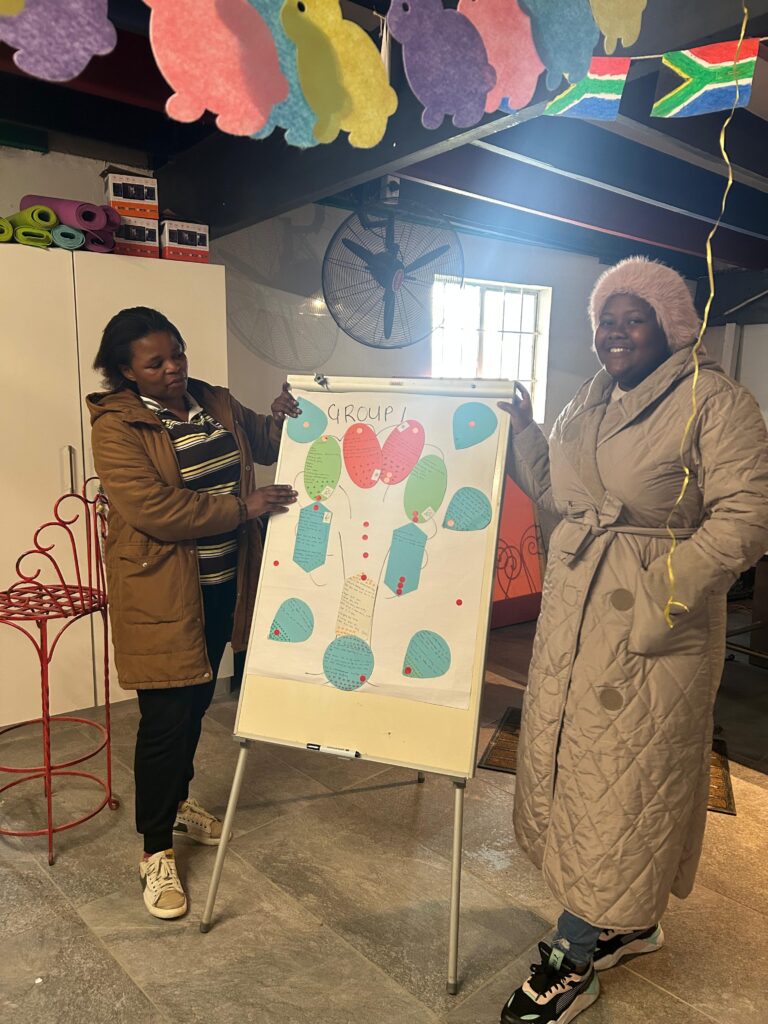
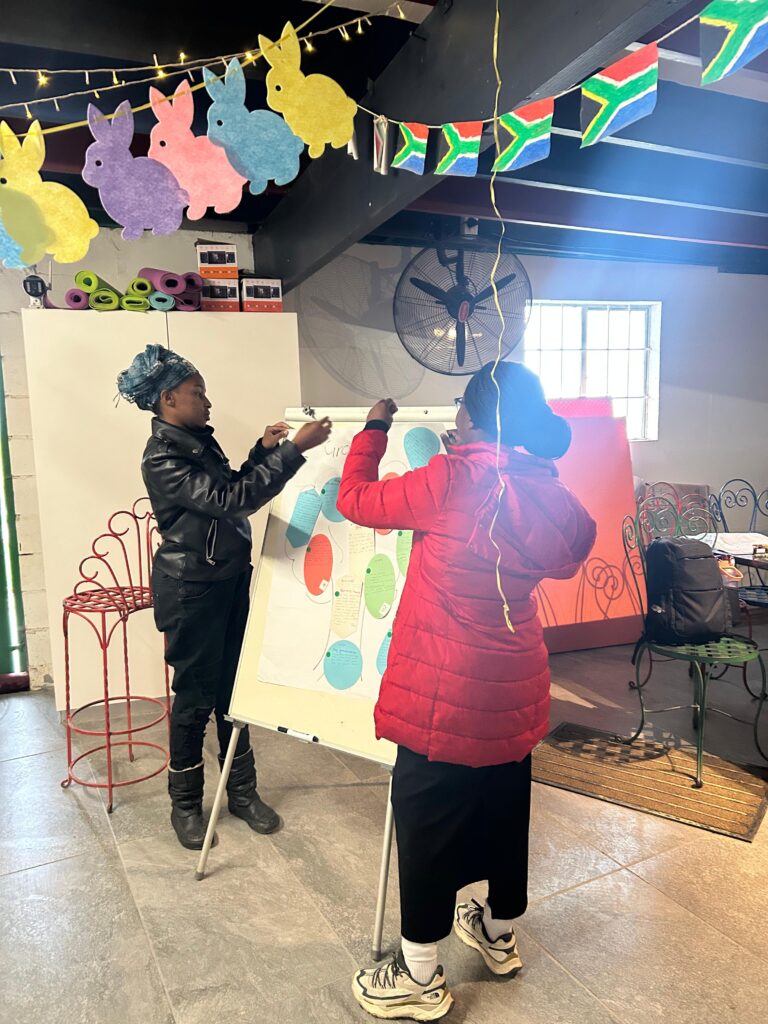
The co-researcher workshops form a key component of the project’s co-design process, which aims to deepen understanding of local stakeholder systems, identify water-related challenges, and build awareness of water-sensitive measures among residents. The programme is delivered through approximately four week-long intensive workshop blocks, during which community co-researchers work closely with NEU-Water researchers to produce comprehensive photographic documentation and illustrative summaries. A consolidated report of the findings will be developed following the third workshop block.
The insights generated through this process are informing pilot site discussions with the Stellenbosch Municipality, supporting evidence-based design decisions, and contributing to the research of two NEU-Water PhD projects.
The third series of co-researcher workshops is planned for August/September 2026.
In addition to the co-researcher workshops, the NEU-Water team presented two papers at the WISA 2026 Biennial Conference & Exhibition, held in Cape Town from 22–24 July 2026. The first presentation, Barriers to Mainstreaming Water Sensitive Urban Design in Municipal Infrastructure Delivery: Analysis from the Western Cape, examined the institutional and policy factors influencing the adoption of Water Sensitive Urban Design (WSUD), drawing on policy and regulatory analysis and regional case studies. The second presentation, Expanding the Scope of Water Operators’ Partnerships: From Peer-to-Peer Learning to Systemic Resilience, shared lessons from the Water Operators’ Partnership (WOP) between Stellenbosch and Hamburg, highlighting how an expanded WOP approach can strengthen peer learning while supporting broader urban resilience objectives.
Author:
Ajith Edahoot
For more information and details, please visit the NEU-Water project website.
More information on all seven projects can be found here and in the programme publication.