
In April 2026, Prof. Dr. Mariele Evers and Dr. Pınar Pamukçu Albers from the Ecohydrology and Water Resources Management Group at the University of Bonn conducted two stakeholder workshops in Oshakati, Namibia and Santa Clara, Angola, as part of the Co-Design of a Hydrometeorological Information System for Sustainable Water Resources Management in Southern Africa (Co-HYDIM-SA) project. The project, which is funded under the Water Security in Africa (WASA) research programme, aims to address the critical need for timely and actionable early-warning information. The workshops organised in collaboration with the Cuvelai Watercourse Commission (CUVECOM), brought together 45 local experts, practitioners, and community representatives to assess drought and flood risks in the Cuvelai and Cunene River Basins. The region is increasingly affected by climate variability, as recurrent floods and droughts, combined with high rainfall variability and ephemeral drainage systems (Iishana system), intensify water-related risks. Addressing these challenges requires integrated risk perspectives that combine hydrometeorological data with local knowledge, as well as stakeholder perceptions and priorities.
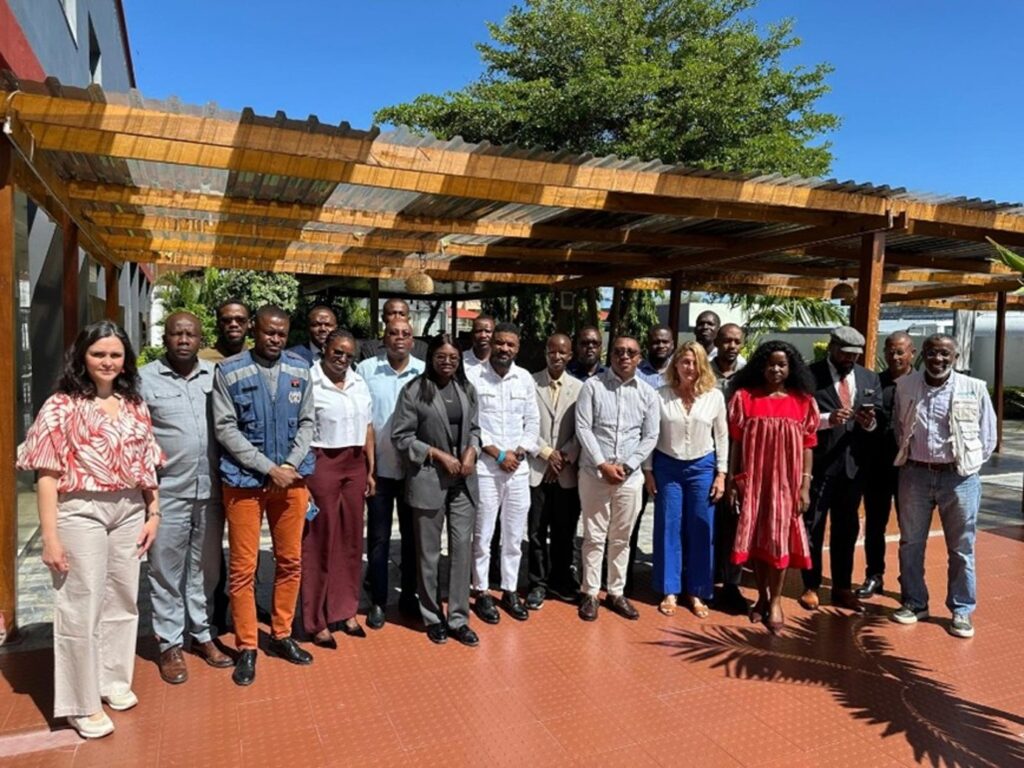
The workshops formed part of a participatory multi-criteria decision-making (MCDM) framework for vulnerability and risk assessment. The process began with establishing a shared understanding of key concepts and aligning mutual definitions among participants to ensure a common basis for discussion. Building on this foundation, participants engaged in structured discussions guided by questions derived from a prior literature review and preliminary spatial analysis. This approach facilitated the evaluation of relevant indicators and supported deliberation on which indicators most appropriately reflect local conditions or perceptions. Participants then jointly identified and prioritised indicators across hazard, exposure, and vulnerability factors, ensuring contextual relevance and applicability for decision support.
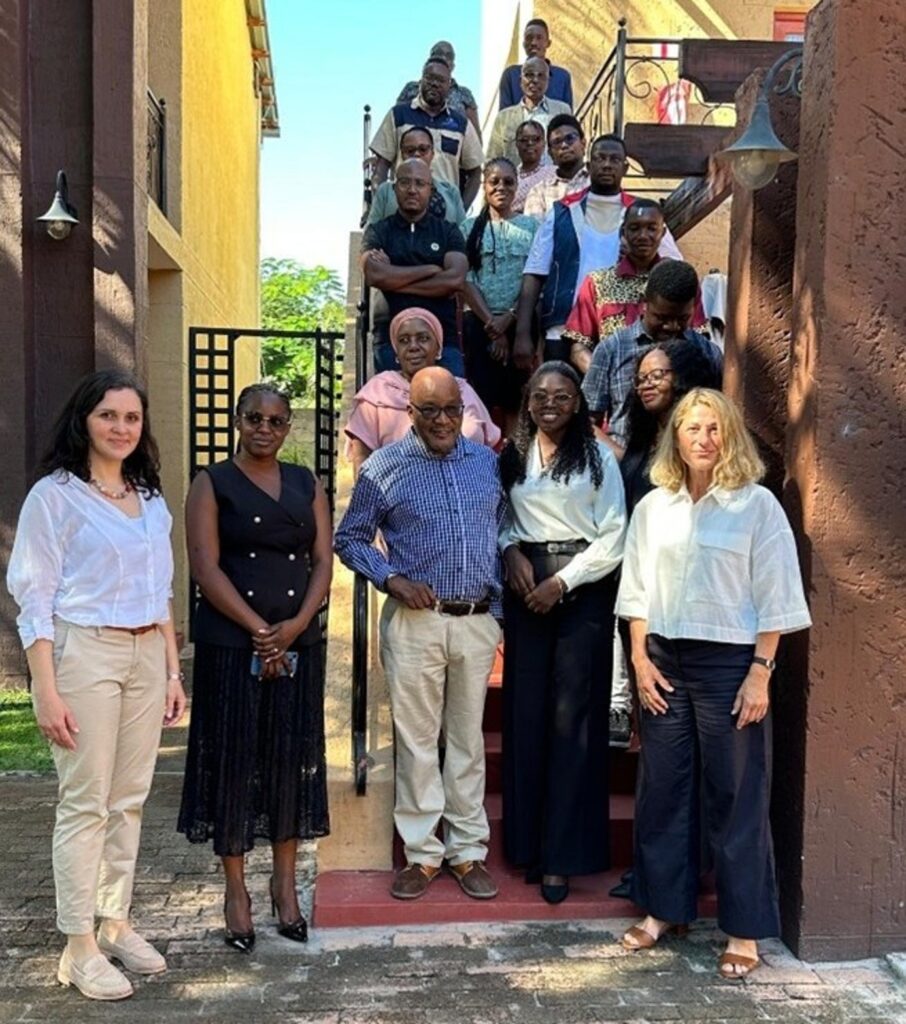
The workshop in Oshakati focused primarily on flood processes and infrastructure-related challenges, while the workshop in Santa Clara addressed drought impacts, livelihood sensitivity, and water management constraints. Both workshops highlighted the need for improved early warning systems, enhanced data accessibility, and stronger institutional coordination.
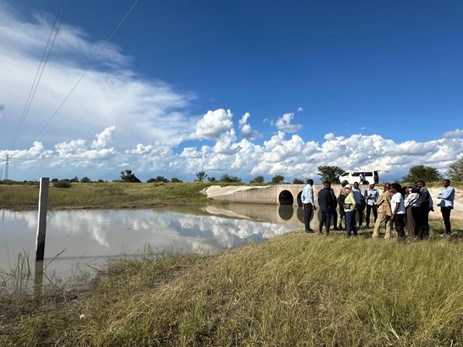
In Angola, a field visit with CUVECOM, and stakeholders to Ondjiva enabled direct discussion of locally implemented flood protection measures. In Namibia, a two-day field excursion was undertaken with an environmental consultant, including Etosha National Park and selected sites in the southern and western Cuvelai Basin, to observe and discuss water management practices and environmental challenges.
The outcomes directly inform the development of the Cuvelai Basin Early Warning and Information System (CUVEWIS), which is being co-designed with key stakeholders. By integrating spatial data, modelling approaches, and local knowledge, the system aims to strengthen climate-resilient water governance and informed decision-making in the Cuvelai and Cunene River Basins.
Author:
Prof. Dr. Andreas H. Fink, Dr. Simon Ageet
For more information and details, please visit the CO-HYDIM-SA project website.
More information on all seven projects can be found here and in the programme publication.
