
Innovative Technologies for Improved Water Management in Water-Scarce Regions | 12–16 October 2026 | Windhoek, Namibia
How can innovative technologies and interdisciplinary approaches help address water challenges in water-scarce regions? This question brought together 25 postgraduate students and 16 lecturers and presenters from across Southern Africa for the 2nd WASA Summer School, held from 12 to 16 October 2026 at the Namibia University of Science and Technology (NUST) in Windhoek.
Co-hosted by WASANet and the WASA research projects WaMiSAR, WaReNam, MAMDIWAS and Co-HYDIM-SA, the five-day programme combined scientific presentations, practical training and field visits. Participants from Namibia, South Africa, Botswana, Malawi, Zimbabwe and Lesotho explored innovative approaches to water reuse and treatment, with a particular focus on mining, post-mining and peri-urban areas. Further topics included groundwater assessment, water governance, and seasonal and sub-seasonal forecasting.
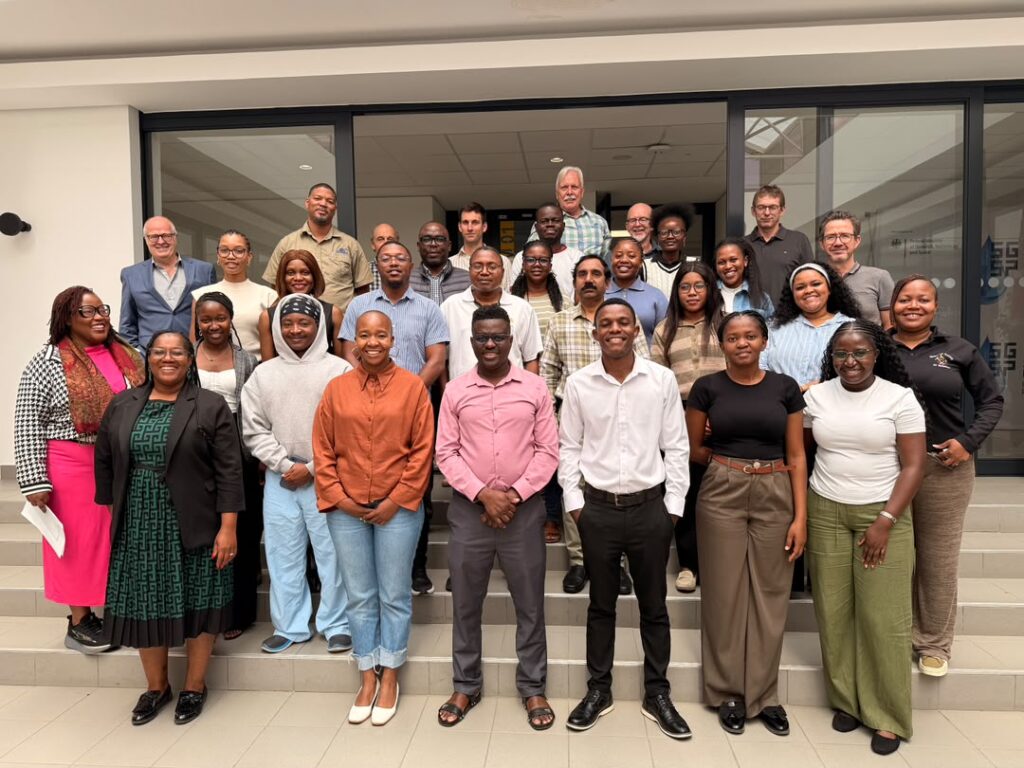
From research to practical applications
The Summer School was formally opened with welcoming remarks by Prof. Dr. Omotayo Awofolu, Director of Research and Postgraduate Development at NUST, and Dr. Jörg Helmschrot (WASANet).
Over the following days, participants gained insights into a broad range of research topics and practical approaches to sustainable water management. Lectures and training sessions covered the reclamation of mine residue deposits, mine water chemistry, water balance modelling in tailings deposits, and the design of baseline studies for groundwater assessment prior to mining. Other sessions focused on membrane technologies and mining economics, as well as multi-level governance for water reuse, the impact of water finance on water management and water politics. The programme also explored the advantages and limitations of advanced technologies for seasonal and sub-seasonal forecasting.
The lecturers presented research and findings from four WASA projects:
- WaMiSAR – Sustainable and Climate-Adapted Water Management in Mining in the Southern African Region
- WaReNam – Multi-Scale Strategy for Water Use in Namibia: Technology, Governance, and Capacity Building
- MAMDIWAS – Mining-Influenced Water as a Driver for Change to Improve Water Security in South Africa
- Co-HYDIM-SA – Co-Design of a Hydrometeorological Information System for Sustainable Water Resources Management in Southern Africa
By bringing together these different research perspectives, the Summer School offered participants an opportunity to explore the links between technological innovation, water management and governance, and to discuss how research findings can contribute to practical solutions.
Learning beyond the classroom: Visits to Matchless Copper Mine and Analab
A highlight of the programme was the excursion on the second day, which gave participants the opportunity to see some of the topics discussed in the lectures in a practical context.
The first stop was the Matchless Copper Mine, made possible through the generous support of its owners, Copper Consolidated. Operations Manager Barry Hodgkinson introduced the group to operational environmental management, including ongoing land reclamation efforts. Namibian geologist Eckhart Freyer provided insights into the local geology and guided participants across the mine site.
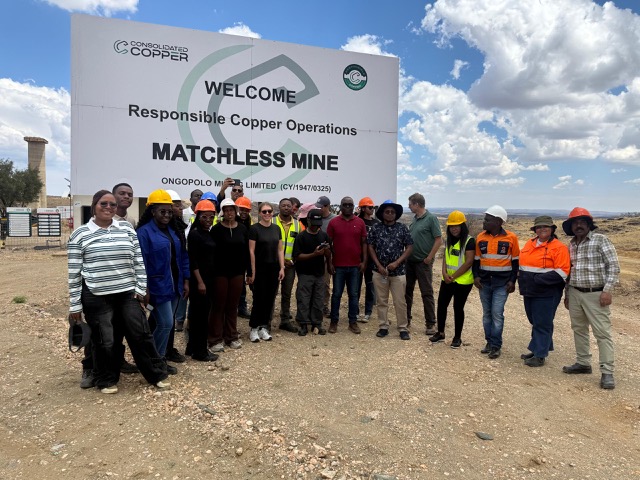
In the second half of the day, the group visited Analytical Laboratory Services (Analab), a testing and diagnostics company based in Windhoek. Participants were introduced to the company’s microbiological and chemical testing services, including the analysis of food, beverages, dairy products, water and soil. The visit also offered insights into innovative technologies used in environmental analysis and geochemistry.
Both visits provided valuable practical perspectives on environmental management, water quality assessment and the challenges associated with mining activities.
Sharing knowledge and experiences
Knowledge exchange was an important part of the Summer School. In addition to the lectures and practical sessions, all participants were asked to prepare a presentation on a topic related to the programme. On the final day, they presented their work in small groups of two to three, with each presentation lasting 10–15 minutes. An open discussion with the entire group provided further opportunity to exchange ideas and reflect on the topics covered throughout the week.
Before receiving their certificates of attendance, participants were invited to share feedback on the programme and its organisation. Overall, the feedback was very positive, with participants expressing their appreciation for the different aspects of the Summer School. One suggestion for future editions was to include more practical work focusing on methodological aspects – an important input that will be considered in the planning of the next Summer School.
The event was formally concluded with words of thanks from Prof. Dr. Stefan Norra (WaMiSAR), Dr.-Ing. Martin Zimmermann (WaReNam) and Dr. Jörg Helmschrot (WASANet).
Bringing young researchers together for water security in Southern Africa
Beyond the technical programme, the Summer School provided a valuable platform for young researchers from across the region to connect, exchange experiences and learn from one another. By combining scientific knowledge with practical insights and interdisciplinary discussions, it contributed to strengthening regional research networks and building capacity for improved water management in water-scarce regions.
The Summer School was organised by Prof. Dr. Stefan Norra (University of Potsdam, WaMiSAR), Rennie Munyayi (NUST, WaMiSAR) and Dr. Jörg Helmschrot (KIT, WASANet). The overall programme was coordinated by WASANet, the networking and knowledge-transfer project within the WASA programme, with support from NUST and WaMiSAR. The on-site organisation was handled by Rennie Munyayi (NUST).
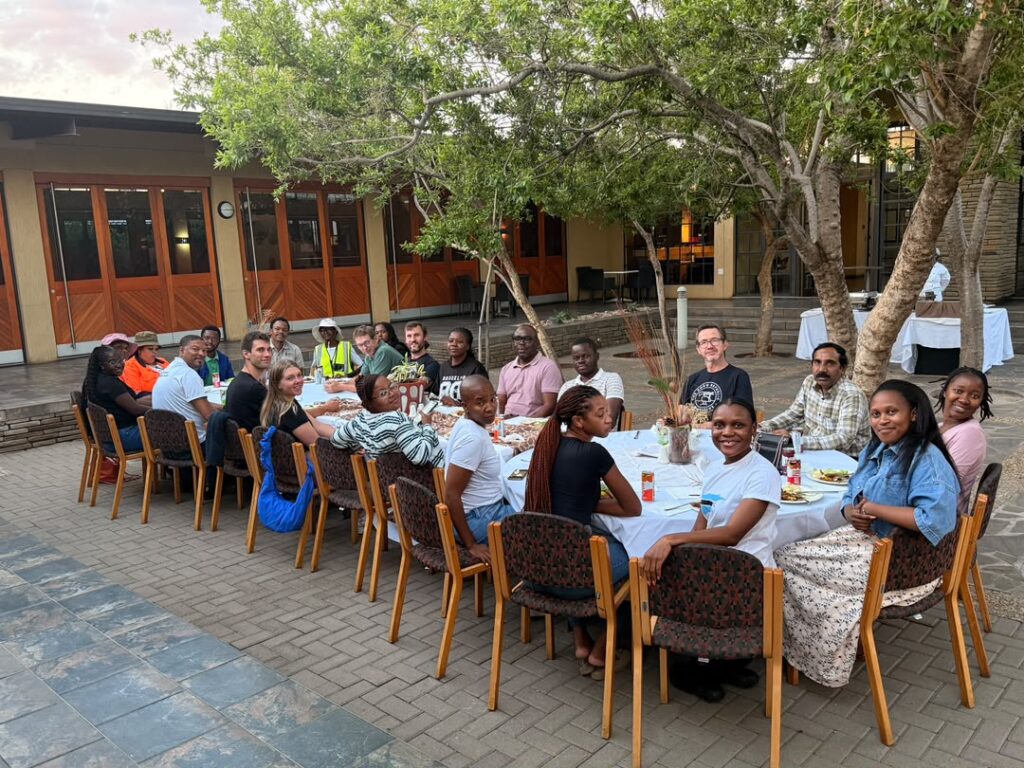
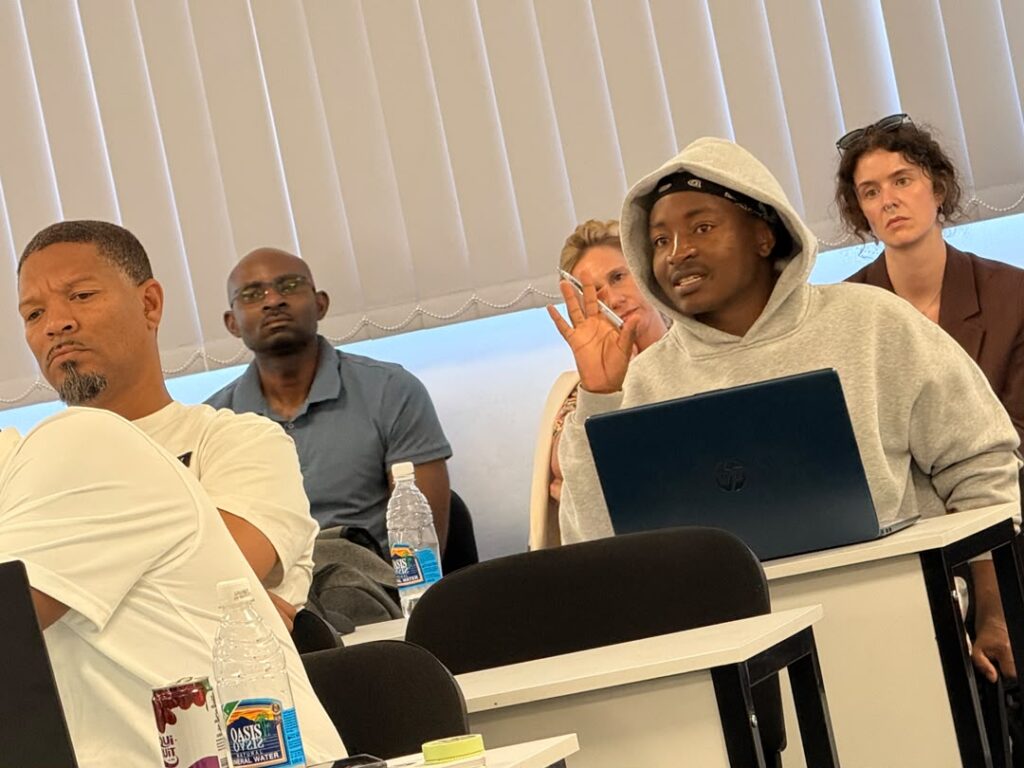
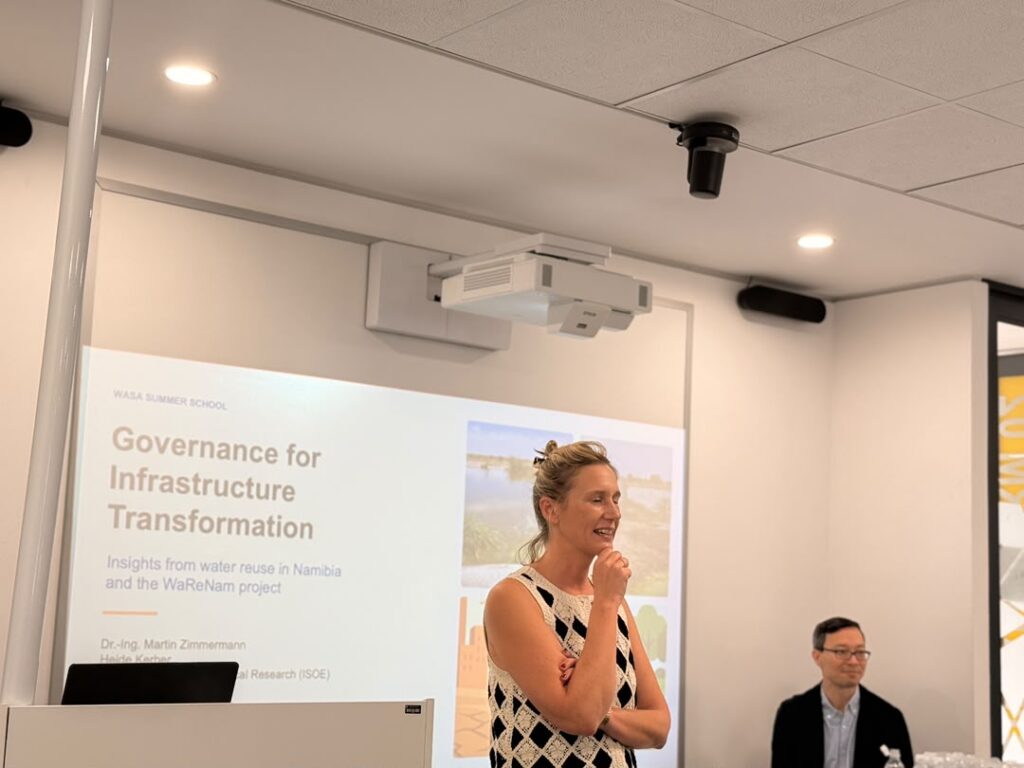
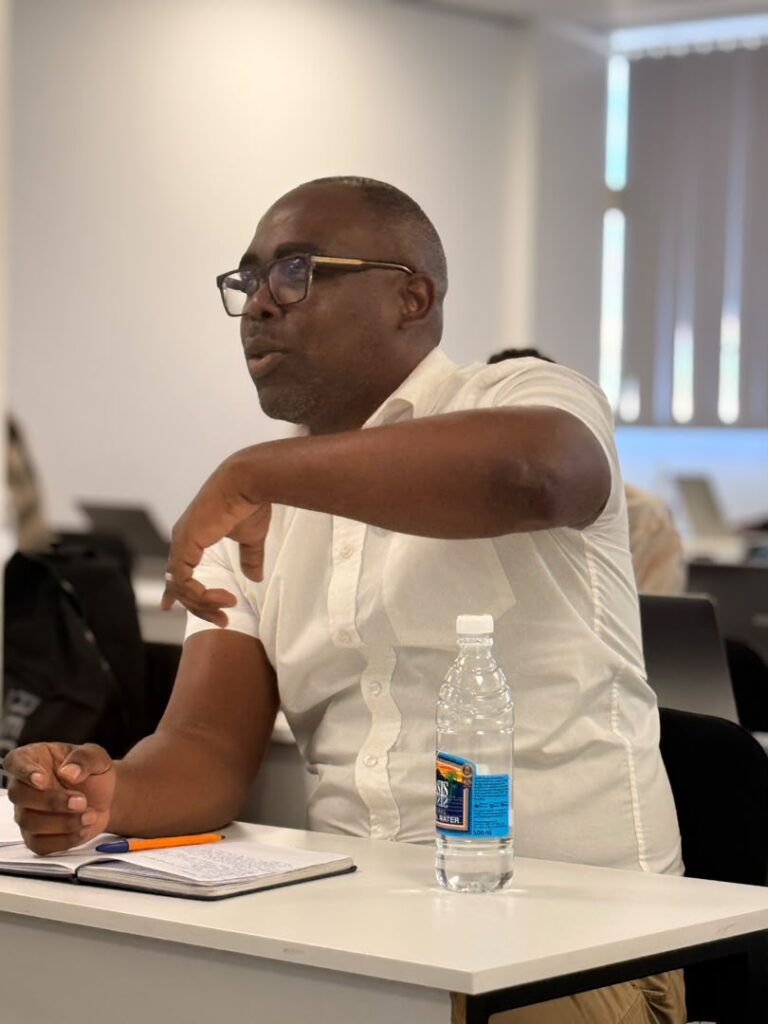
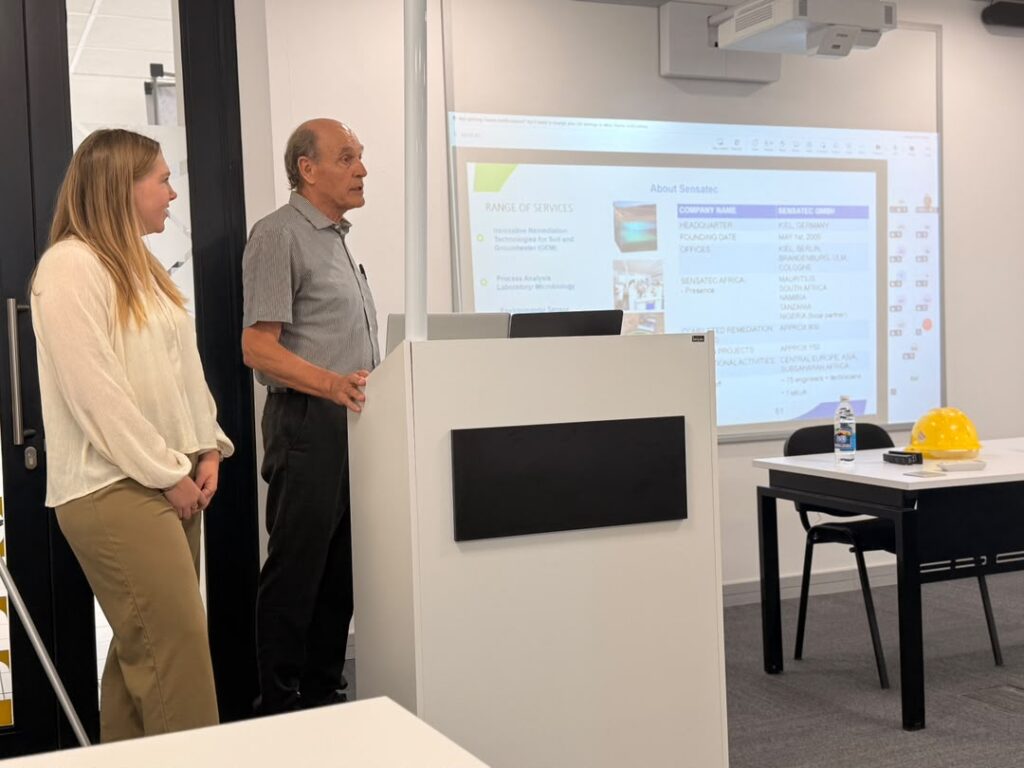
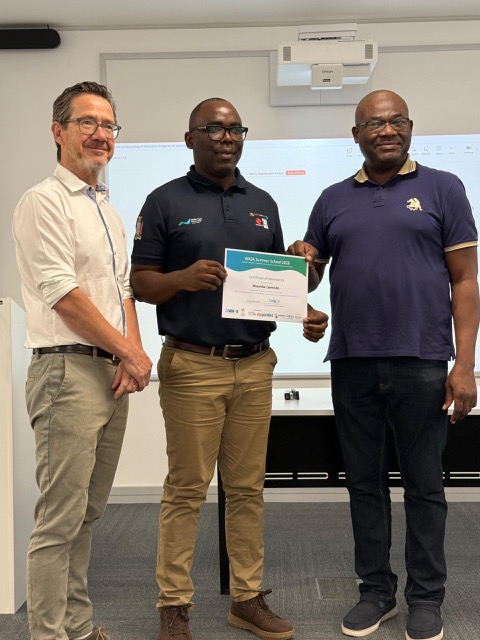
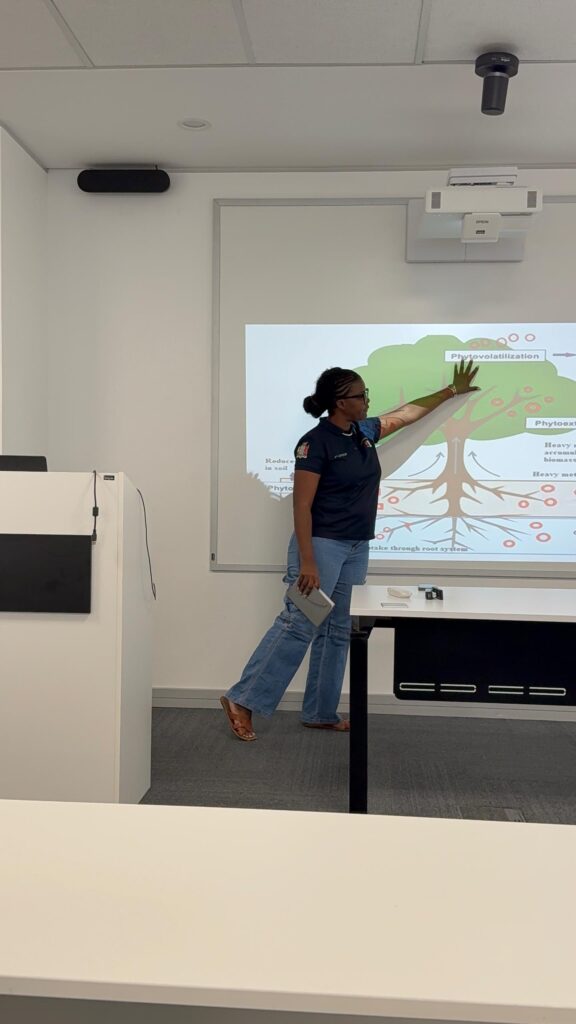
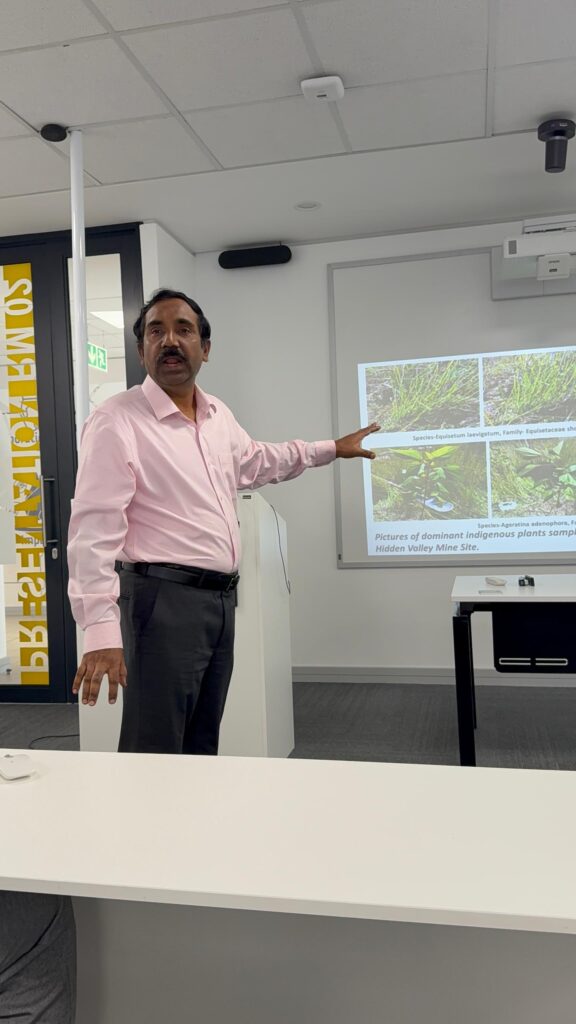
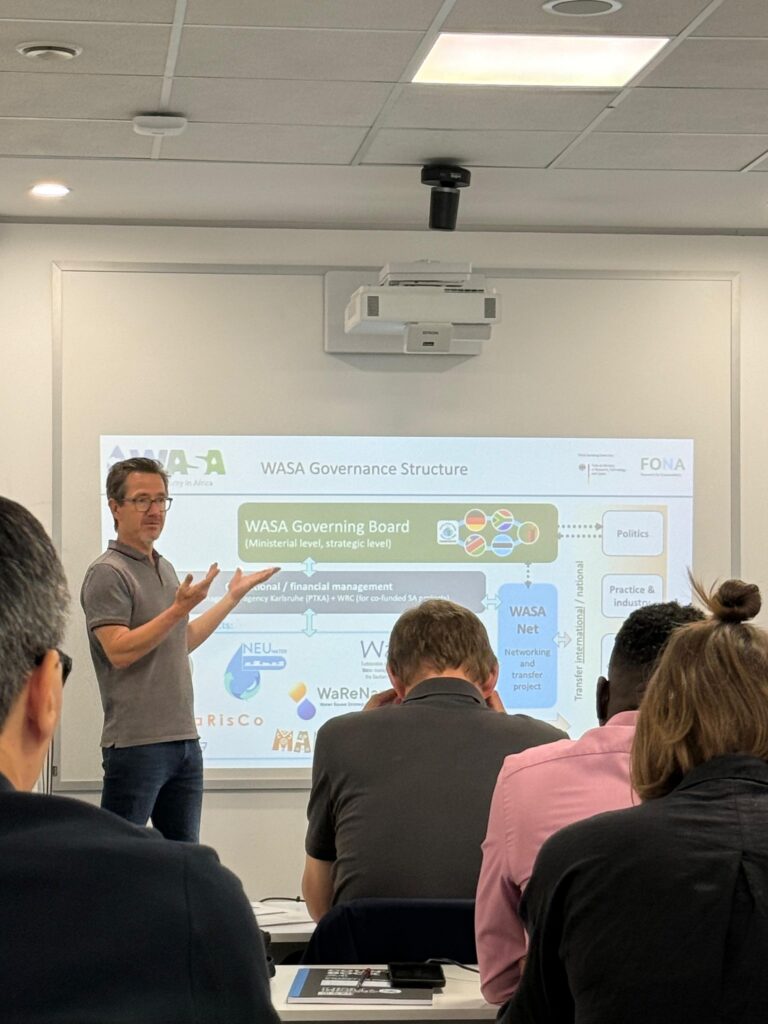
Photo impressions: Group photo of the participants; excursion to Matchless Copper Mine; further impressions from the Summer School.