In June 2026, the WaRisCo team visited the Kingdom of Lesotho as well as South Africa’s KwaZulu-Natal Province to engage with key stakeholders on climate-resilient water security. The engagements combined discussions involving government institutions, municipalities and community organisations with a national media outreach effort in South Africa, towards raising awareness of climate change risks whilst proactively working towards climate change adaptation solutions.
National Media Spotlight on Super El Niño Risks and Water Security
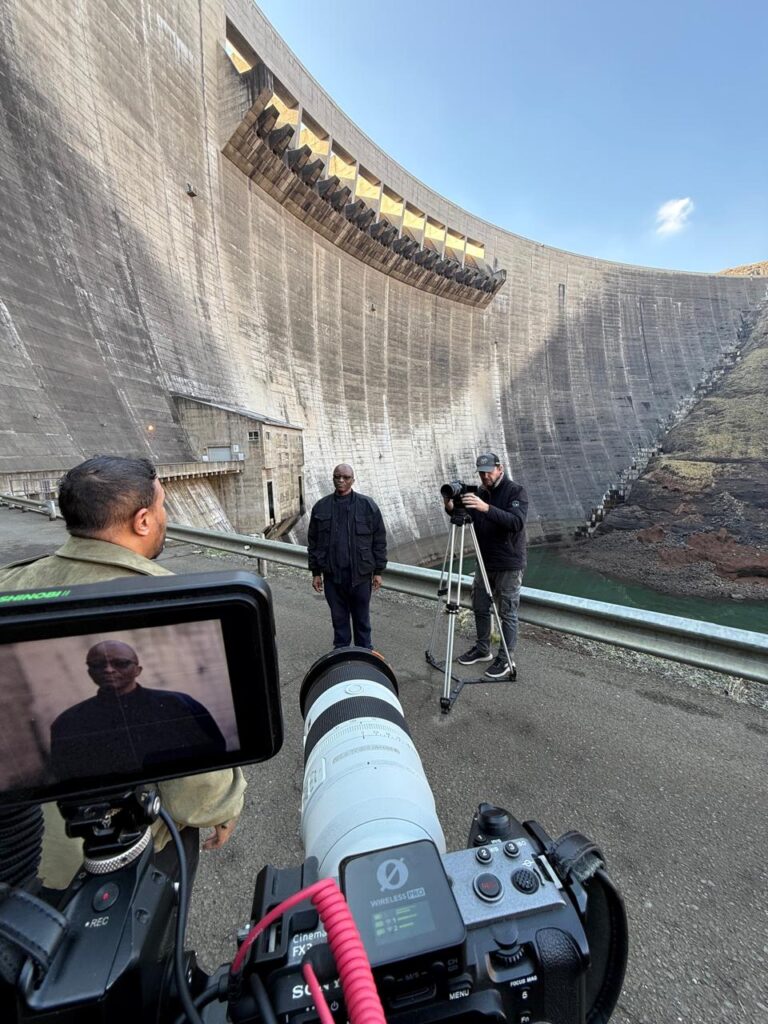
The WaRisCo team made a field visit to the Katse Dam in Lesotho, a key component of the Lesotho Highlands Water Project and one of the most important water infrastructure systems supplying South Africa. Representing Katse Dam and the larger Lesotho Highlands Water Project (Phases I and II) within WaRisCo’s hydrological modelling framework is essential for understanding the risks that climate change-driven droughts may pose to regional water resources in Southern Africa.
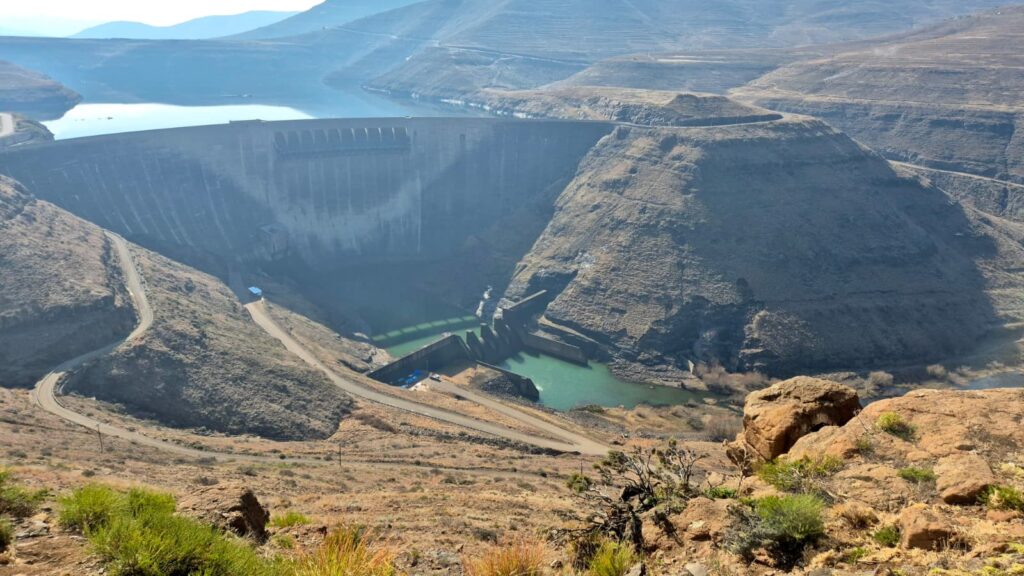
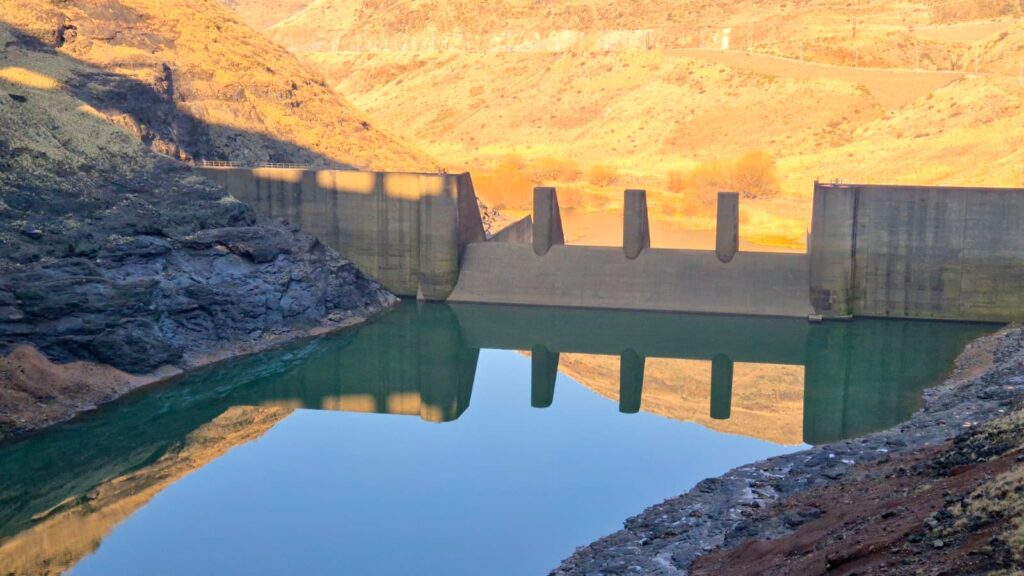
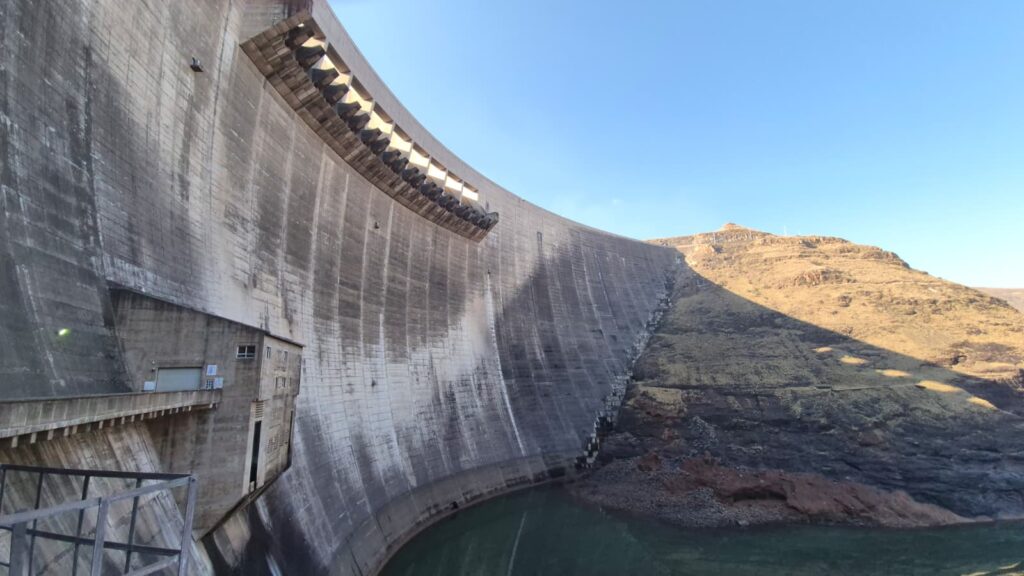
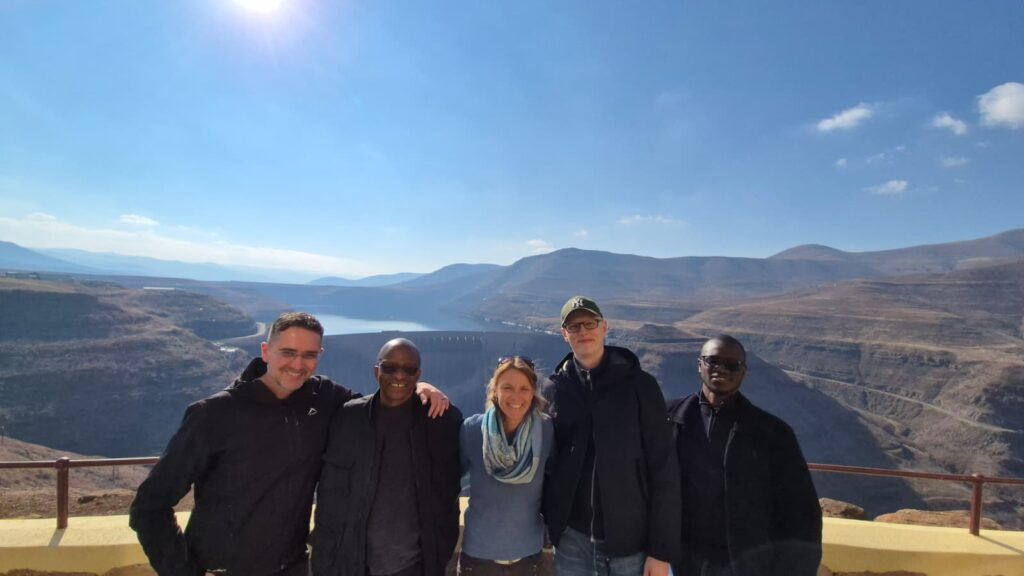
 Field visit to the Katse Dam in the Lesotho Highlands © WaRisCo
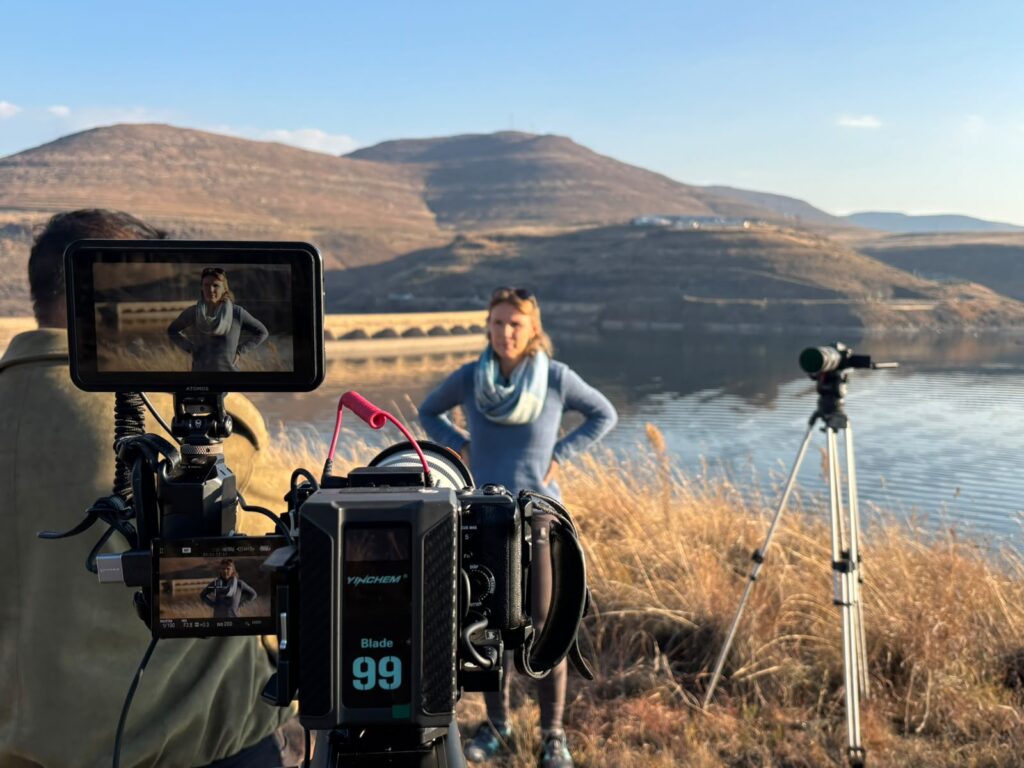
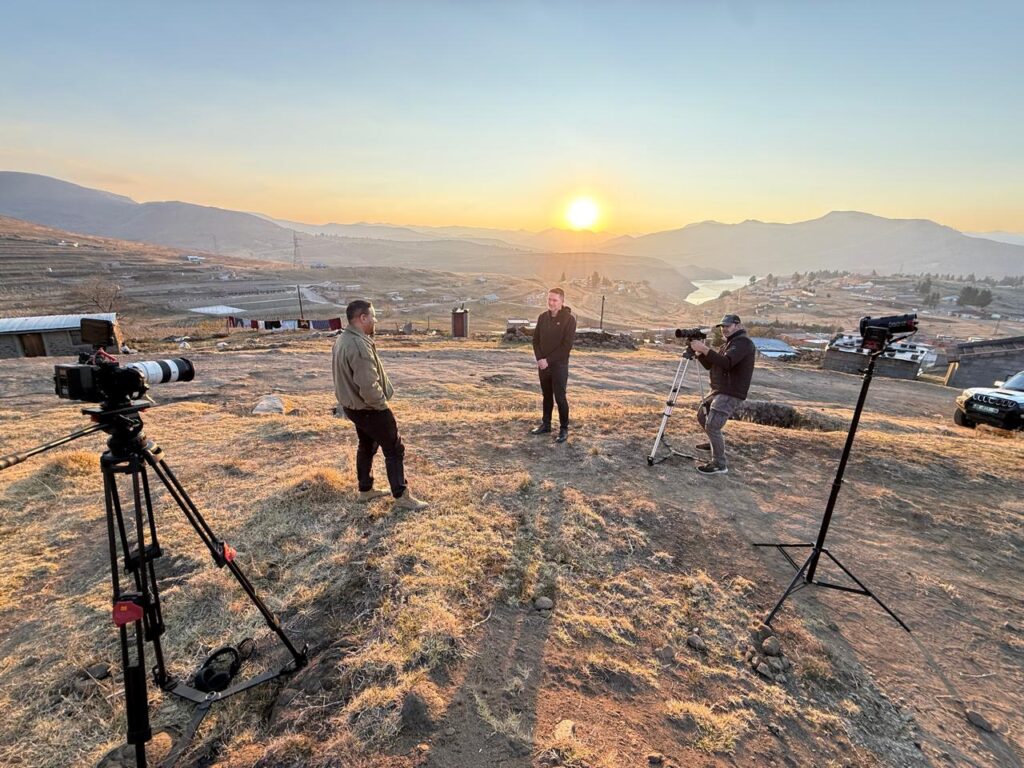
The visit attracted national media attention and provided an important opportunity to communicate these challenges to a wider audience. Members of the WaRisCo team were interviewed by Carte Blanche, South Africa’s leading investigative-journalism television programme, for an upcoming feature on the anticipated super El Niño and its potential impacts on South Africa. The interviews focused on the growing risk of prolonged drought and severe heatwaves associated with a potential Super El Niño event, and the implications for human health and water security in South Africa’s Gauteng Province.
The interviews also highlighted how WaRisCo’s climate and hydrological modelling is helping to quantify future climate risks, providing the scientific basis for long-term adaptation planning, resilient infrastructure design and sustainable water resource management. By bringing these issues to a national audience, the programme contributes to raising awareness of the need for climate adaptation and long-term water security planning.
Supporting Flood-Resilient Infrastructure Planning in Durban
The engagements continued in Durban, South Africa, with a meeting hosted by the City of eThekwini. WaRisCo has been engaging extensively with the City of eThekwini over the last two years, given the city’s pronounced exposure to flood risk.
Researchers presented the latest WaRisCo climate and hydrological modelling results, which indicate that climate change could substantially increase flood intensity and flood peaks in KwaZulu-Natal over the coming decades. These findings reinforce the need to incorporate future climate projections into urban planning, infrastructure design and disaster risk management.
Discussions focused on practical implementation challenges, including ageing stormwater infrastructure, limited funding for infrastructure upgrades and the need to update engineering design standards to reflect future climate conditions. Participants also explored opportunities to support resilient infrastructure investments and strengthen municipal preparedness for future climate extremes.
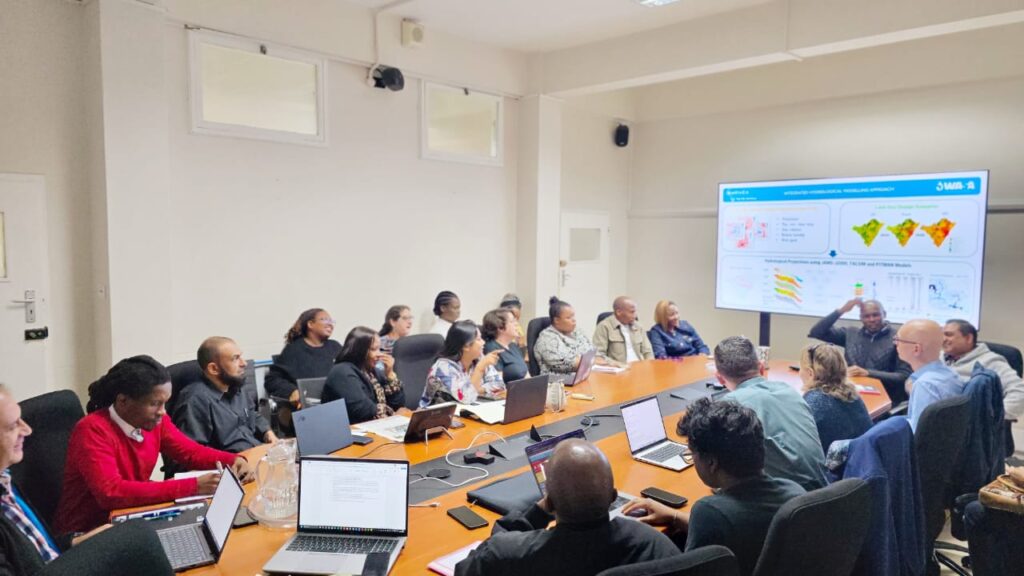
The WaRisCo team also met with the KwaZulu-Natal Department of Water and Sanitation (DWS) to discuss strengthening strategic partnerships and improving preparedness for future flood risks. Building on these discussions, WaRisCo, the DWS and eThekwini Municipality will jointly organise a technical workshop later this year. The workshop will present the project’s first comprehensive climate and hydrological modelling results and facilitate discussions on how these findings can support evidence-based planning, infrastructure investment and water resource management in South Africa’s flood-prone eastern provinces.
Preparing South Africa for a Future Super El Niño
A further outcome of the discussions with the DWS was the proposal to convene a National El Niño Summit, bringing together researchers, government departments, disaster management authorities and other key stakeholders.
The summit will provide a platform to communicate the latest scientific predictions and projections of drought risk in Southern Africa and raise awareness of the increased likelihood of prolonged drought and severe heatwaves during the summer of 2026/27. Against the backdrop of growing pressure on South Africa’s water resources, the summit will support coordinated preparedness and resilience planning ahead of the anticipated El Niño event.
Discussions with the DWS also focused on proactive planning, reducing water losses, improving infrastructure resilience and strengthening collaboration across government institutions, municipalities and non-governmental organisations.
Strengthening Community Resilience Through Collaboration
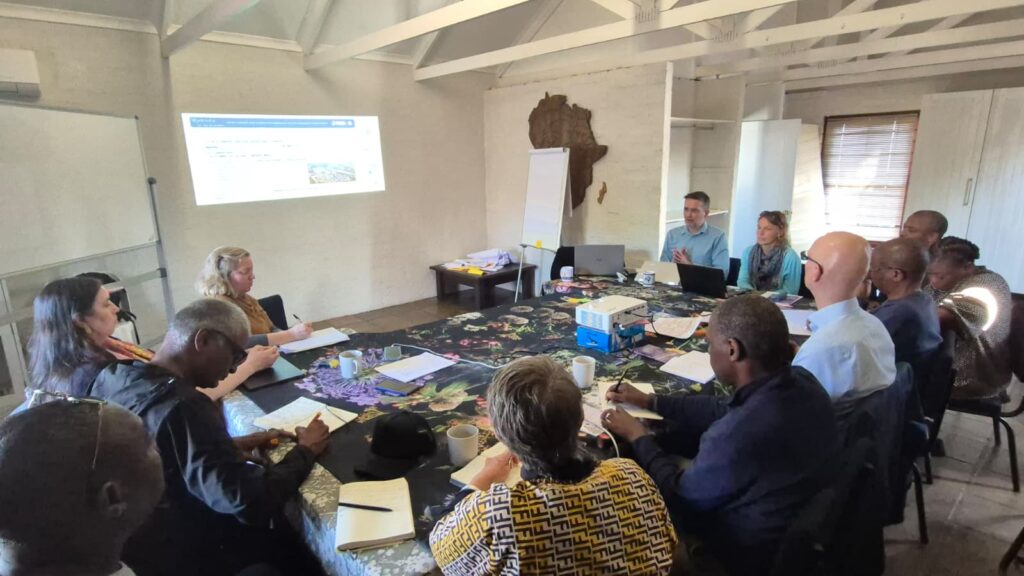
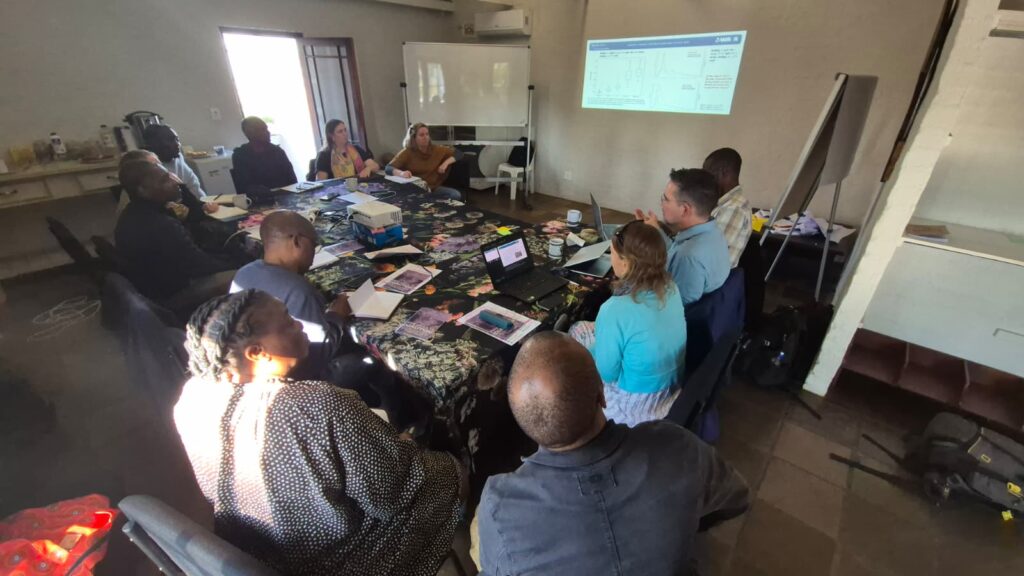
The final engagement brought together the WaRisCo team and the Durban Coalition to explore how scientific research can better support communities that are most vulnerable to climate change. The Durban Coalition is a consortium of non-governmental organisations dedicated to supporting the city’s most vulnerable communities in adapting to increasing flood risk.
The coalition presented its People’s Plan, proposing pilot projects in informal settlements and social housing developments that combine resilient infrastructure improvements, enhanced early warning systems, community-based disaster preparedness and strengthened local response capacity. Participants also explored opportunities to access the forthcoming Nedbank Disaster Relief Fund for community resilience initiatives.
An important outcome of the discussions was the agreement to jointly organise a stakeholder workshop in November to discuss the implications of future climate and hydrological projections for vulnerable communities and explore how scientific evidence can inform the Coalition’s People’s Plan and municipal climate adaptation initiatives. By bringing together researchers, community organisations and municipal stakeholders, the workshop aims to strengthen the translation of climate science into practical resilience actions for vulnerable communities.
From Research to Action
The engagements undertaken over the past month demonstrate WaRisCo’s commitment to translating climate science into practical action. From engaging the public through national television, to informing municipal infrastructure planning, supporting preparations for a National El Niño Summit and strengthening partnerships with community organisations, these engagements demonstrate how scientific research can support better planning and practical climate adaptation.
The upcoming National El Niño Summit and stakeholder workshops will build on the momentum generated during these engagements. Together, these initiatives will provide important platforms for sharing scientific knowledge, strengthening partnerships and advancing practical climate adaptation measures across South Africa.
By connecting science with policy, infrastructure planning and community engagement, WaRisCo continues to support a more climate-resilient and water-secure future for South Africa.
Authors:
Dr. Sophie Biskop, Dr. Chris Moseki and Prof. Francois Engelbrecht
For more information and details, please visit the WaRisCo project website.
More information on all seven projects can be found here and in the programme publication.