
The SeeKaquA project team successfully completed its first milestone in form of the joint geophysical measurement and hydrogeological sampling campaign in the Cuvelai-Etosha basin (CEB). The field work took place in August/September 2025 to explore deep fresh-water resources, investigate transition zones from fresh to saline water as well as perched aquifer systems at multiple demonstration sites around the town of Okongo.
The international research group involved 17 participants from the LIAG Institute for Applied Geophysics (LIAG, 2), the Federal Institute for Geosciences and Natural Resources (BGR, 3), the University of Namibia (UNAM, 5), the University of Zambia (UNZA, 1), terratec Namibia & Germany (4) and the Ministry of Agriculture, Fisheries, Water & Land reform (MAFWLR, 2). During surveying, we could achieve an intense transfer of geoscientific and technical knowledge between all involved partners from companies, ministries and universities and gather valuable experiences for the future.
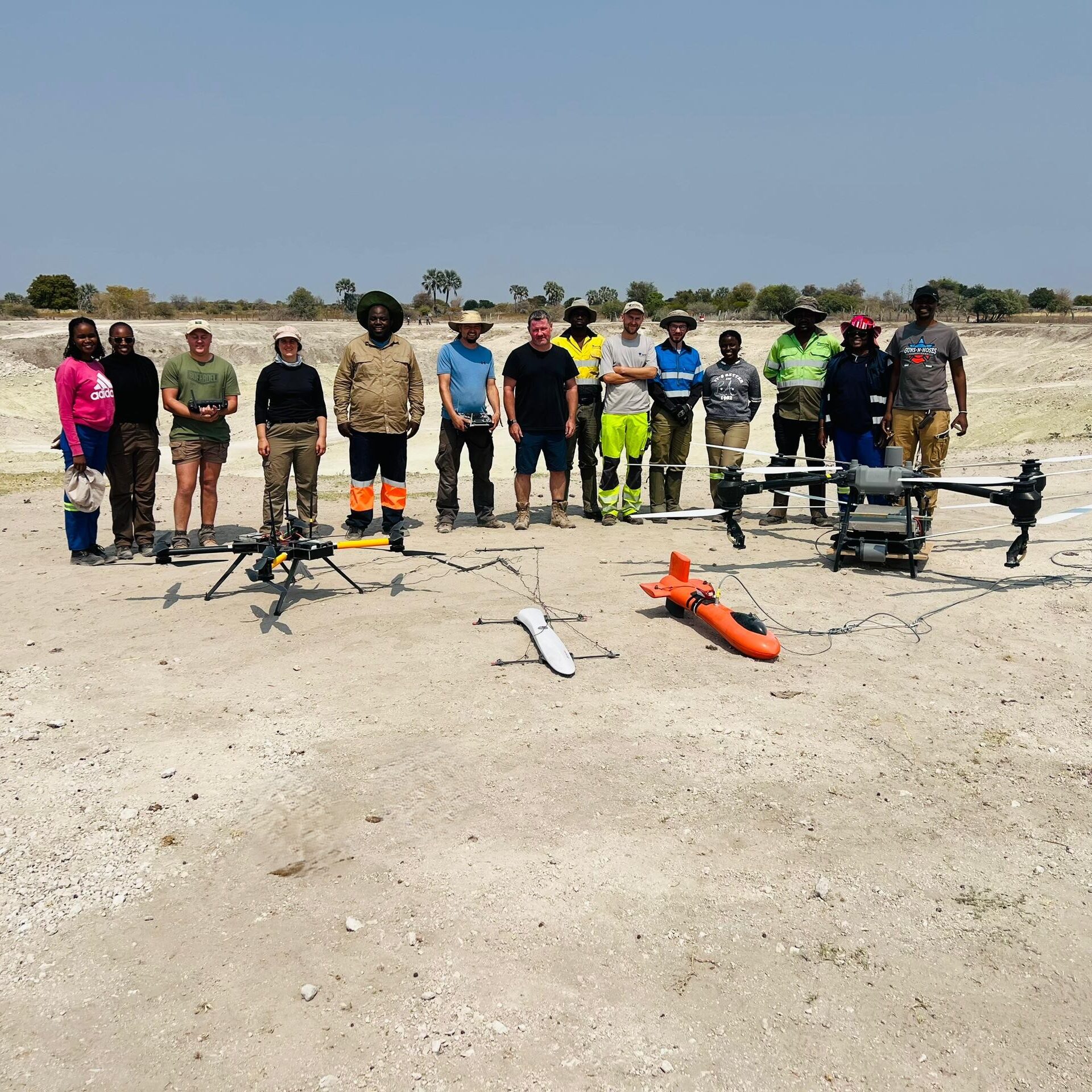
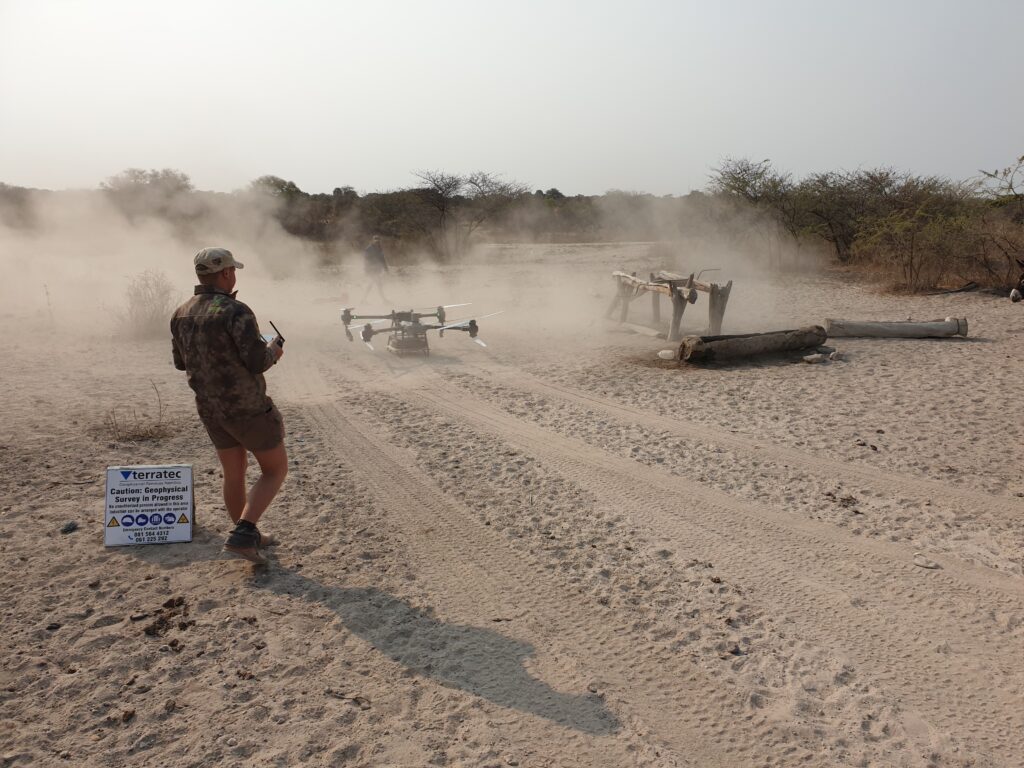
LIAG, UNAM, UNZA, an terratec performed drone-based semi-airborne electromagnetics as well as reference measurements on the ground in three areas of multiple square kilometers. The data – after the ongoing processing – will provide 3D images of the electrical subsurface structure linked to geological units as well as salt concentrations within the aquifers. This information, together with the borehole and water sampling data, will lead to an improved understanding of the local to regional hydrogeological situation in the CEB.
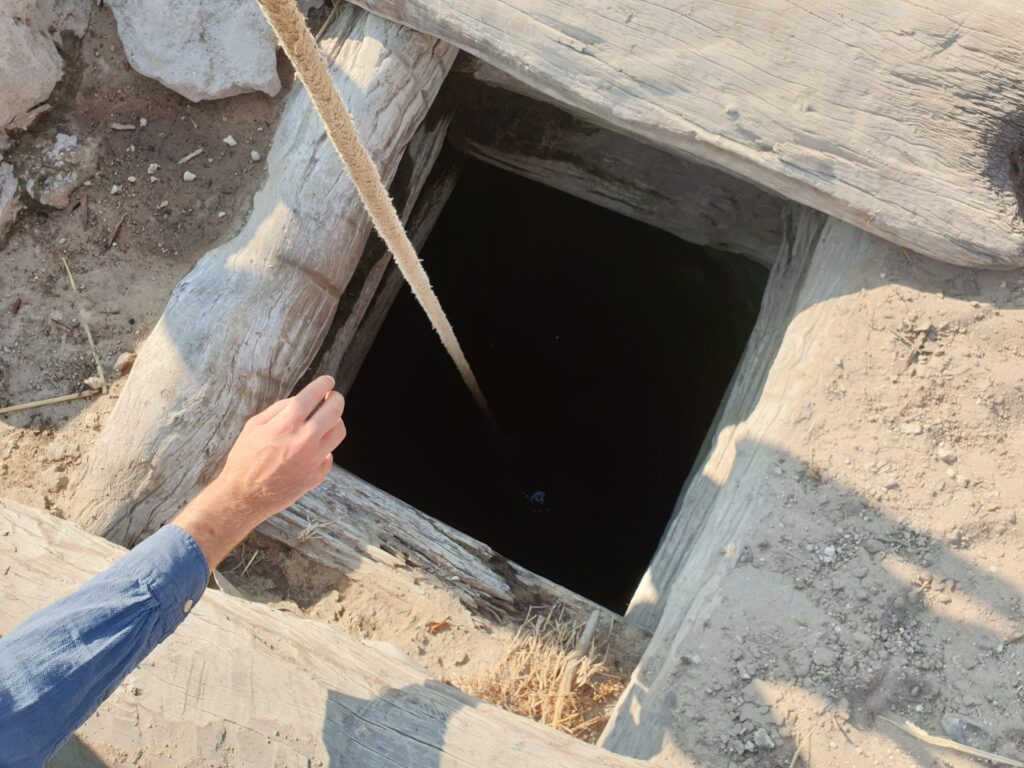



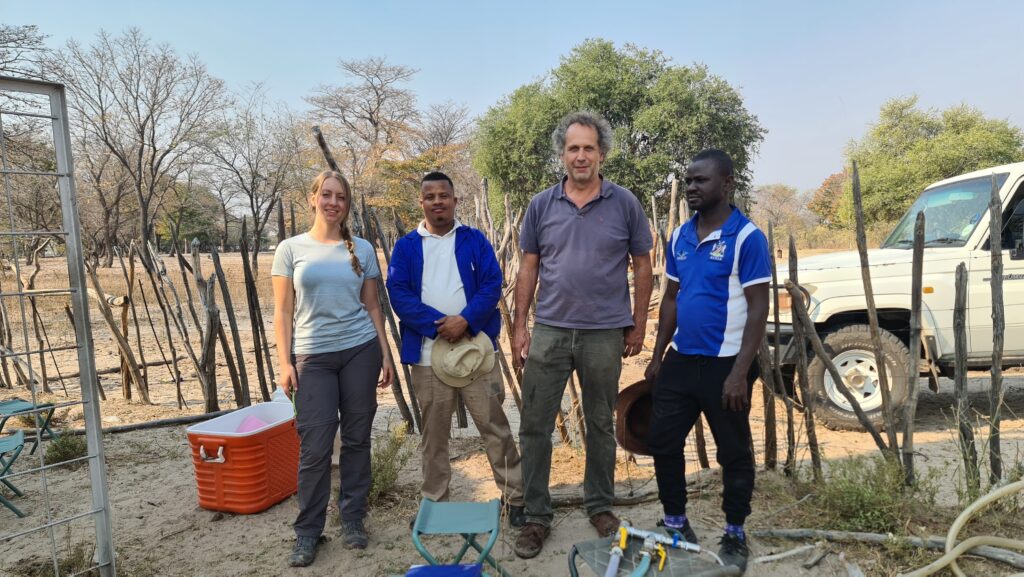
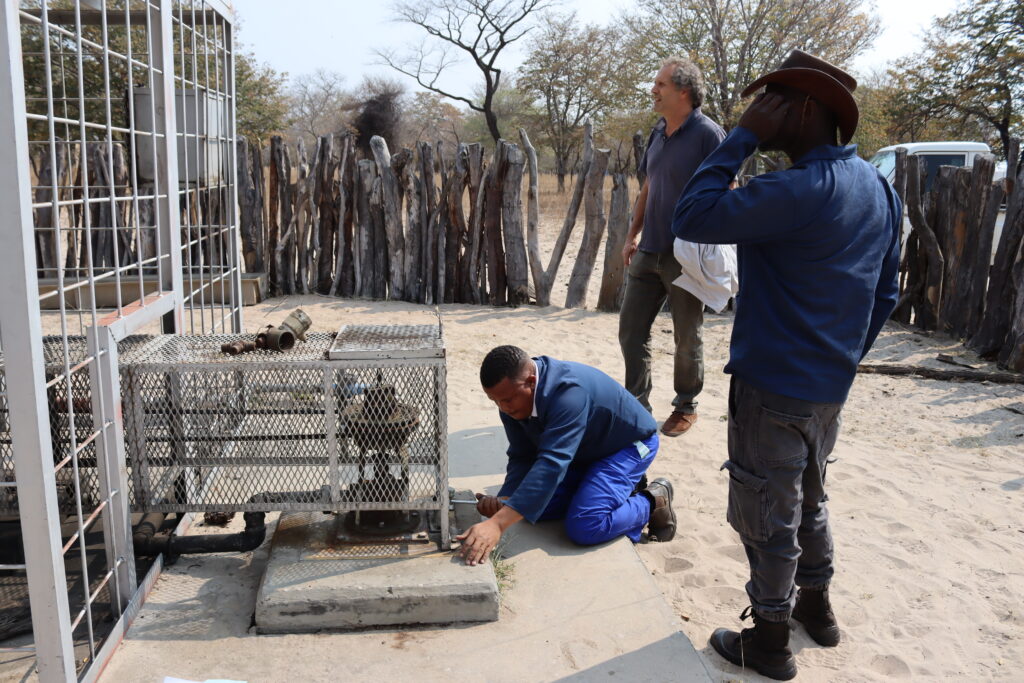
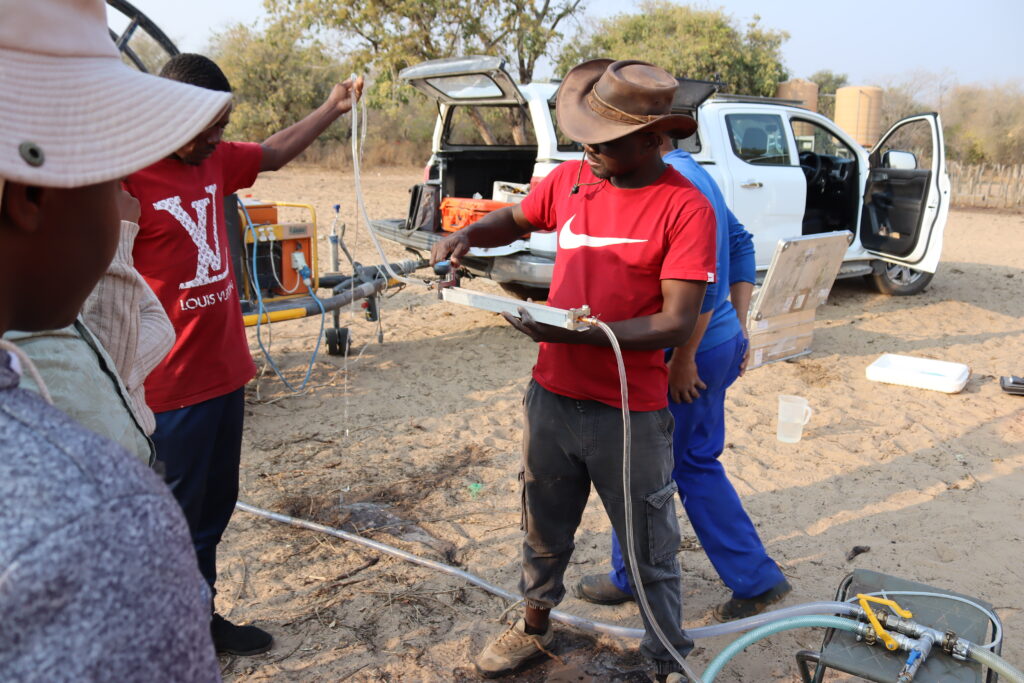
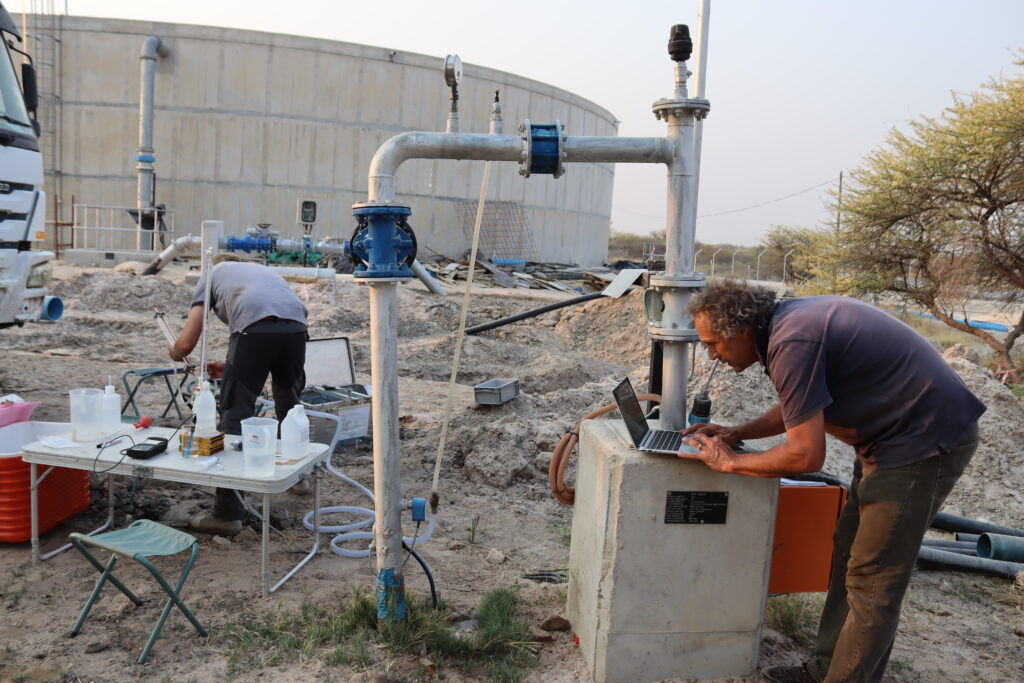
BGR, UNAM and MAFWLR sampled deep groundwater from 23 different boreholes using a pumping trailer, a though-flow cell for measuring parameters such as the pH, the electrical conductivity and the temperature of the groundwater, as well as an extensive set of sample containers. The ongoing hydrochemical analysis of the samples will provide the overall chemical composition as well as isotope and noble gas data for age dating of the groundwater. These new data can provide valuable insights of the so far unknown origin of high trace-element concentrations such as fluoride and vanadium.



To keep the recently gained momentum ongoing, a team of UNZA and terratec is currently acquiring transient and magnetotelluric data at the Machile-Zambesi Basin (MZB, Samiba) to provide valuable pre-information for planning the second major measurement campaign in the upcoming year.
Authors:
Dr. Raphael Rochlitz, Dr. Roland Bäumle
For more information and details, please visit the SeeKaquA project website.
More information on all seven projects can be found here and in the programme publication.
